おせちを英語で説明しよう

Osechi-ryori: festive Japanese New Year foods

おせち料理:日本の新年を祝う料理
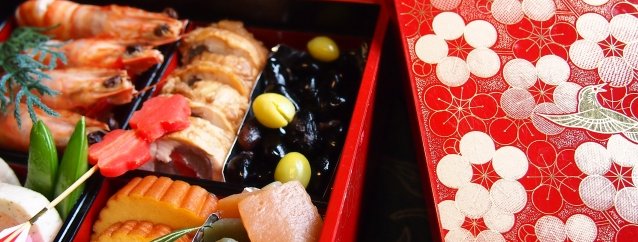
Osechi-ryori (shortened to Osechi) are traditional festive Japanese foods eaten during the New Year period. They are served in lacquered “stacking boxes” known as jubako, which has the symbolic meaning of “stacking up the happiness.”

「おせち料理」(略して「おせち」)は、正月に食される日本の伝統的なお祝い料理です。「めでたさを重ねる」という意味で「重箱」と呼ばれる段になった漆塗りの箱に詰めて振る舞われます。

Today, while jubako boxes often consist of three or four tiers, they originally comprised five tiers, where the first four boxes contained food and the fifth was left empty to “pack good fortune.” The contents of the boxes vary greatly depending on the region and the family, but the following are some of the food items most commonly seen in osechi.

現在は三段または四段の重箱が主流ですが、本来は五段重であったとされ、一から四段目に料理を詰め、五段目は「福を詰める」ために空にしておきました。重箱の中身は地域や家庭によって大きな違いがありますが、最も一般的なおせちの具材は以下のようなものです。

The first box is filled with three celebration dishes such as black beans, herring roe, and tazukuri (dried and caramelized juvenile anchovies) in addition to sweet-flavored dishes such as datemaki (sweet rolled omelette) and kurikinton (sweetened chestnuts with mashed sweet potato). The second box mainly contains grilled seafood such as Japanese sea bream, yellowtail, and shrimps. Vinegared dishes are packed into the third box. The fourth box typically features simmered vegetables such as carrots, bamboo shoots, lotus roots, and shiitake mushrooms.

一の重には、黒豆数の子田作りなど、祝い肴三種の他、伊達巻栗きんとんのような甘い味付けの料理を詰めます。二の重には鯛や鰤、海老など、海の幸を中心とした焼き物、三の重には酢の物、与の段には一般的に人参や筍、蓮根、椎茸など、野菜の煮しめを詰めます。

Each food item in the jubako boxes has its own symbolic meaning to celebrate the New Year.

重箱の中の各具材には、新年を祝うための象徴的な謂われがあります。
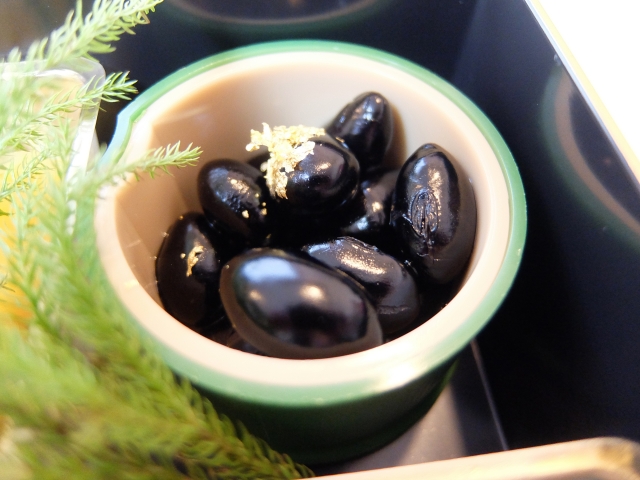
Kuromame (black beans) symbolizes working hard and staying healthy.

黒豆は、まめに働き、まめに暮らすという意。
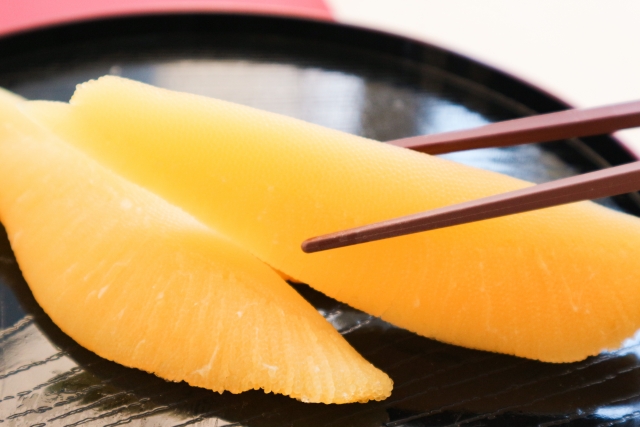
Kazunoko (herring roe) symbolizes being blessed with many children.

数の子(ニシンの卵)は、子宝に恵まれるという意。
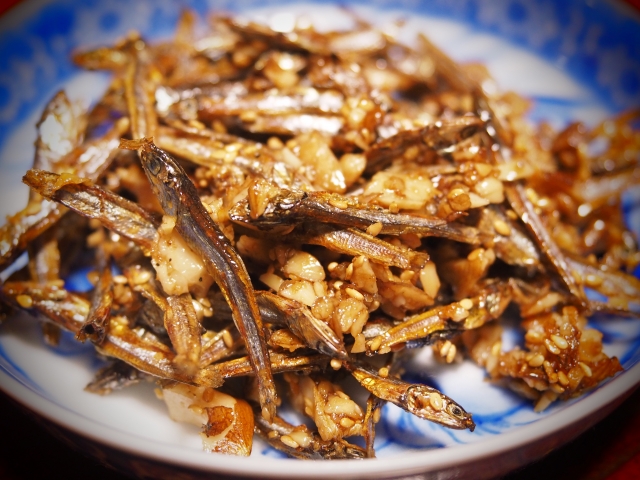
Tazukuri (dried and caramelized juvenile anchovies) symbolizes a good harvest.

田作りは、豊作の意。
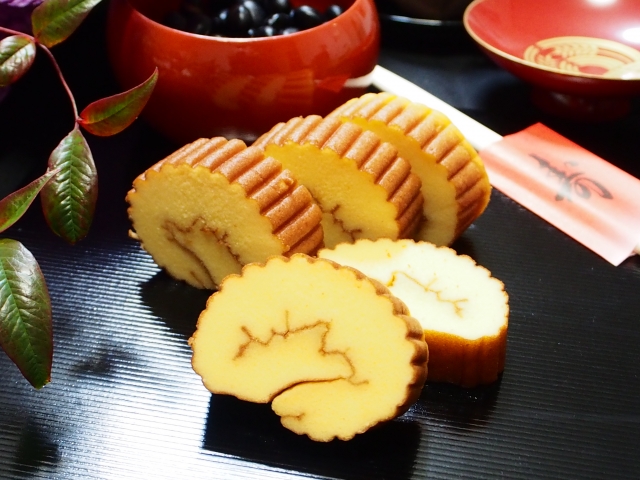
Datemaki (sweet rolled omelette) symbolizes knowledge, family prosperity, and glamor.

伊達巻は、知識、子孫繁栄、華やかさの意。
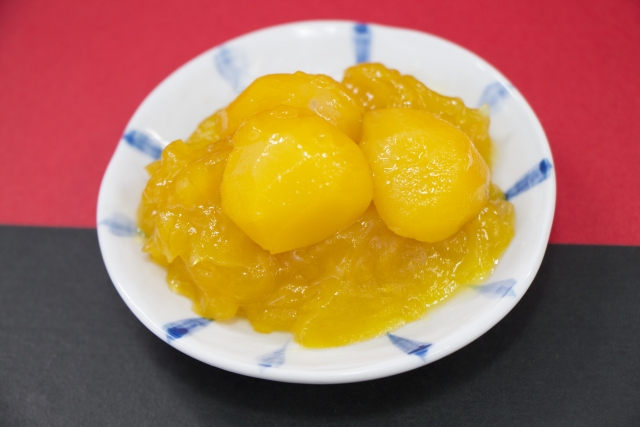
Kurikinton (sweetened chestnuts with mashed sweet potato) symbolizes fortune and wealth.

栗きんとんは、富と財産の意。

【重要なフレーズ】
おせち料理:festive Japanese New Year foods
重箱:stacking boxes
漆塗りの:lacquered
祝い肴三種:three celebration dishes
黒豆:black beans
数の子:herring roe
田作り:dried and caramelized juvenile anchovies
伊達巻:sweet rolled omelette
栗きんとん:sweetened chestnuts with mashed sweet potato
野菜の煮しめ:simmered vegetables
紅葉狩りを英語で説明しよう

Momijigari: autumn foliage viewing

紅葉狩り

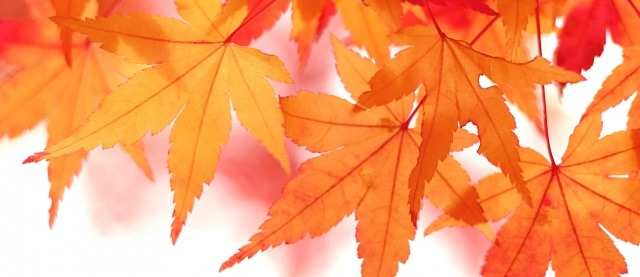
Momijigari, which literally means “maple hunting,” is the Japanese seasonal tradition of going to see maple leaves that have turned red in the fall.

紅葉狩りは、秋になり赤く色づいた楓の葉を見に行く日本の風物詩です。
(※アメリカ英語で「秋」はfall、イギリス英語ではautumn)

It became popular among aristocrats during the Heian period (794–1185). At that time, there was no custom of people planting maple trees in their gardens, so they had to go to a mountain or canyon to view the autumn colors.

紅葉狩りは平安時代(794~1185年)に貴族の間で広まりました。当時、家の庭に紅葉を植える習慣が無かったため、紅葉を見るためには山や渓谷へ行かなければなりませんでした。

The phrase momijigari or maple hunting originated from people going to a mountain to look at the autumn foliage, instead of hunting animals. However, in the case of hanami or cherry blossom viewing, it is not called “flower hunting” as there is no need to go to a field or mountain to view cherry blossoms.

紅葉狩りという言い回しは、動物を狩るのではなく、紅葉を見るために人々が山に行ったことに由来します。しかし、お花見の場合は桜を見るために野山に行く必要はないため、「お花狩り」とは言いません。

In Japan, the best season for viewing autumn leaves varies, depending on the region. On the northernmost island of Hokkaido, the maples turn red from mid-September to October, whereas in Kyushu, which is southwest of Japan’s main island, the autumn leaves can be seen from late October to early December.

日本で紅葉の見頃は地域によって異なります最北端の島・北海道では、9月中旬から10月にかけて楓が赤く色づきますが、本州南西に位置する九州では、10月下旬から12月上旬にかけて紅葉を見ることができます。

【重要なフレーズ】
風物詩:seasonal tradition
赤く色づく:turn red
貴族:aristocrat
当時:at that time
習慣:custom
紅葉:autumn colorsまたはautumn foliage
~に由来する:originate from …
~の場合:in the case of …
~見頃: the best season for viewing …
~によって~は異なる:… varies, depending on …
最北端:northernmost
南西に位置する:southwest
本州:Japan’s main island

居酒屋を英語で説明しよう

Izakaya: Japanese pub restaurant

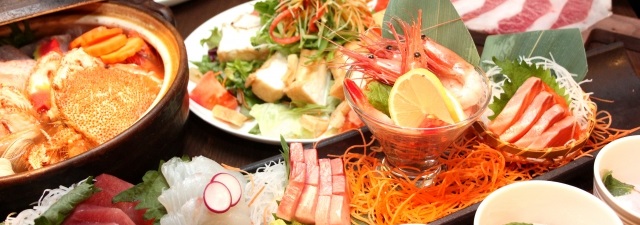
An izakaya is a drinking establishment that also serves a wide variety of food.

居酒屋は様々な料理も提供する飲み屋です。

Japanese people enjoy eating and drinking at the same time. They visit an izakaya in small or large parties for different occasions, such as on a date or for a leaving party.

日本人は食事と飲酒を同時に楽しみます。少人数または大人数で、デートや送別会などの様々な機会に居酒屋を訪れます。

Izakaya offer a large selection of otsumami (snacks/nibbles) at a reasonable price, including yakitori (grilled chicken on a skewer), edamame (green soybeans in the pod), and oden (Japanese stew). The dishes are shared by the party, similar to the style of Spanish tapas.

居酒屋は、焼き鳥枝豆おでんなど多種のおつまみを手頃な値段で提供します。料理はスペインのタパスのようにグループでシェアします。
(※Izakaya offer …のIzakayaは複数扱いです)

The unique izakaya system of Nomihoudai, or bottomless drink, can be applied when ordering a party set dinner. A typical set dinner with Nomihoudai starts from around ¥3,000 per person. With the fixed price, guests are able to order as many drinks as they like from a set drinks menu and within a limited time period, usually 90 mins.

宴会のコース料理を注文する際は、「飲み放題」という居酒屋独自のシステムを適用できます。飲み放題を含む一般的な宴会のコース料理は、一人あたり3,000円前後から。その一定料金で、限られた時間内(通常は90分)、コースのドリンクメニューから好きなだけ飲み物を注文することができます。

【重要なフレーズ】
飲み屋:a drinking establishment
少人数で:in a small party
大人数で:in a large party
おつまみ:snack または nibble(イギリス英語)
やきとり:grilled chicken on a skewer
枝豆:green soybeans in the pod
おでん:Japanese stew
飲み放題:bottomless drink
宴会のコース料理:a party set dinner