厄年を英語で説明しよう

Yakudoshi: unlucky age 
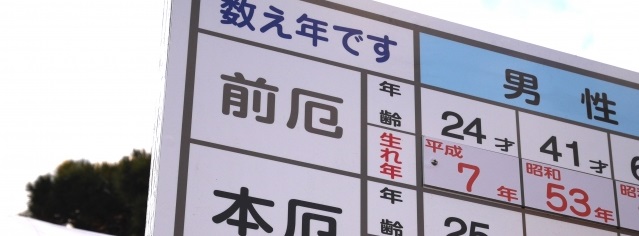
Yakudoshi, which literally means “unlucky age,” refers to particular ages when a number of disasters are believed to strike.

厄年(文字通りには「不運の年齢」)は、厄災が多く降りかかるとされる特定の年齢を指します。

For men, these ages are 25, 42, and 61, and for women, 19, 33, and 37, using the traditional Japanese way of counting age, where newborn babies are considered to be one year old at birth.

男性の厄年は、数え年(新生児は出生時に1歳とみなされる)で25歳、42歳、61歳、女性の厄年は19歳、33歳、37歳。

In particular, 42 for men and 33 for women are said to be the unluckiest ages, when one may experience the worst misfortune.

中でも、男性で42歳、女性で33歳は大厄とされ、最も大きな災厄が訪れるといわれています。

In addition, the years before and after one’s unlucky age are called maeyaku and atoyaku respectively. You need to be careful of illness or accidents during both yakudoshi and in the year before and after.

また、厄年の前後一年は順に「前厄」と「後厄」と言われます。厄年とその前後の年は、病気や事故に注意する必要があります。

People in yakudoshi often visit a shrine for yakubarai, which means to “remove the bad luck.”

厄年の人は「厄払い」のためにしばしば神社を訪れます。

【重要なフレーズ】
~を指す:… refer to …
数え年: the traditional Japanese way of counting age
順に:respectively
厄払い:remove the bad luck
お弁当を英語で説明しよう

Bento: boxed meal

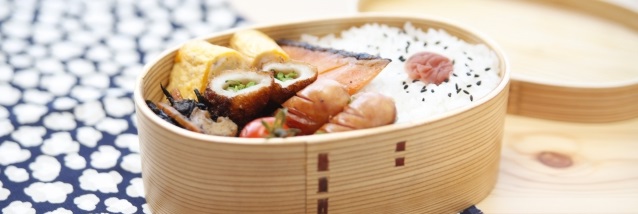
Going on a trip for pleasure, such as for hanami (cherry blossom viewing) or momijigari (autumn foliage viewing), is an essential part of life for Japanese people. A bento or boxed meal is indispensable to such a trip.

お花見や紅葉狩りなどの行楽は日本人の暮らしにつきもので、行楽には弁当が欠かせません

Japanese people enjoy both cooking and having a boxed meal. They will go to work or school with a boxed meal for their lunch. Boxed meals are also enjoyed on special occasions, such as a field day, a picnic, or a school trip. It is therefore impossible to talk about Japanese eating habits without mentioning bento.

日本人はお弁当を作るのも食べるのも大好きです。昼食用として仕事や学校にお弁当を持参します。運動会やピクニック、遠足などの特別な機会にもお弁当を食べますので、お弁当について触れずに日本人の食生活を語ることはできません。

The word bento is also starting to be seen outside Japan, where it can mostly be found on restaurant or takeout shop menus.

bentoという単語は国外でも見られるようになっており、主にレストランやテイクアウトのお店のメニューで見られます。

The “character bento” (chara-ben for short) is becoming increasingly popular nowadays. Characters that children love, such as Hello Kitty, are created using a variety of different-colored ingredients and then packed in a lunch box.

最近では、「キャラクター弁当」(略してキャラベン)の人気がますます高まっています。 ハローキティのような子供たちに人気のキャラクターを色とりどりの様々な食材を使って作り上げ、弁当箱に詰めます。

A variety of Ekiben (literally meaning “station boxed meal”), which are produced using local ingredients, can be bought at stations to enjoy on the train. Convenience stores also sell a wide range of Konbini bento, such as spaghetti and fried rice.

地元の食材を用いて作られる多様な駅弁は、電車の中で楽しむために駅で購入することができます。コンビニエンスストアでは、スパゲッティや炒飯などのコンビニ弁当も幅広く販売しています。

【重要なフレーズ】
弁当:a boxed meal
行楽:going on a trip for pleasure
~には~が欠かせない:… is indispensable to …
運動会:a field day
遠足:a school trip
弁当箱:a lunch box

お花見を英語で説明しよう

Hanami: cherry blossom viewing

It is said that the practice of hanami or cherry blossom viewing, which involves appreciating the cherry blossoms and enjoying the coming of spring, started at an aristocrats’ event during the Nara period (710–794).

桜の花を観賞し、春の到来を楽しむ花見の習慣は、奈良時代(710~794年)の貴族の行事から始まったと言われています。

Every year, people go cherry blossom viewing in various places throughout Japan from March to around early May. While many places are famous for their cherry blossoms, such as shrines, castles, and parks, it’s also possible to fully celebrate the beauty of Japanese cherry blossoms at a nearby school or park.

毎年3月から5月上旬頃にかけて、日本中の様々な場所でお花見が行われます。神社や城、公園など桜の名所は多く存在しますが、近所の学校や公園などでも日本の桜の美しさを十分味わうことができます。

Sakura is the national flower of Japan, and there are many hidden spots that are full of beautiful cherry blossoms all around. Viewing the cherry blossom in Japan is often accompanied by eating Hanami dango (rice dumpling) or Hanami bento (boxed meal) and drinking Hanami zake (Japanese sake).

桜は日本の国花で、辺り一面に美しい桜が広がる隠れた名所が多く存在します。日本のお花見では、「花見団子」や「花見弁当」を食べたり、「花見酒」を飲んだりします。

【重要なフレーズ】
花見:cherry blossom viewing
春の到来:the coming of spring
~の国花:the national flower of …
辺り一面:all around